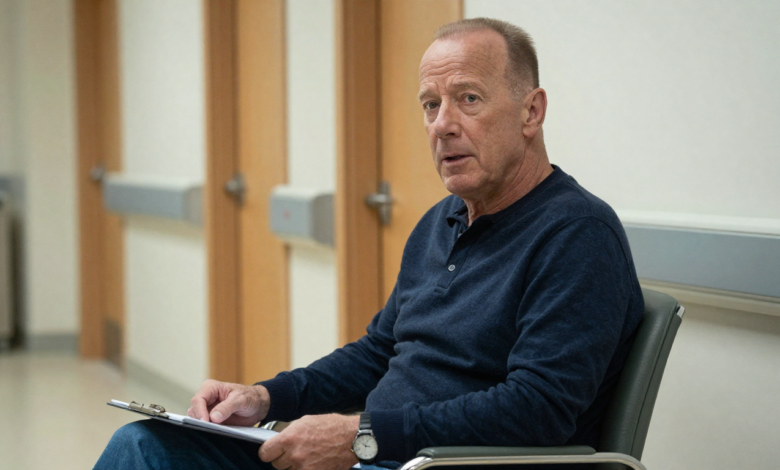
Bruce Willis is a Hollywood legend, known worldwide for his role in Die Hard, The Sixth Sense, and many other blockbuster films. Over the decades, he captured hearts with his talent, charisma, and dedication to acting. Recently, however, fans have been concerned about Bruce Willis health after he stepped away from acting. In 2022, he was diagnosed with aphasia, a condition that affects communication and the ability to use language. This diagnosis was shocking to his fans, as Bruce had always appeared strong, active, and vibrant on screen. Over time, his condition progressed to frontotemporal dementia (FTD), which affects memory, behavior, and speech. Understanding Bruce’s health journey can help people appreciate the challenges he faces while giving fans hope and insight into his life today. His story is not only about illness but also about resilience, family support, and the power of love in difficult times.
Table of Contents
Bruce Willis Health Journey: From Aphasia to Dementia
Bruce Willis’ health journey began quietly but quickly became a major concern for his family and fans worldwide. Aphasia, the first condition he was diagnosed with, made it difficult for him to speak, find the right words, or follow conversations. For someone whose life revolved around communication and acting, this was a major challenge. Soon after, doctors confirmed that his health struggles were part of a more serious condition called frontotemporal dementia (FTD). Unlike Alzheimer’s, FTD mainly affects language, behavior, and executive function, making everyday tasks and social interactions harder. This progression of Bruce Willis health shows how diseases can change lives drastically, even for strong, public figures. Despite these challenges, Bruce remains surrounded by family, and he continues to receive care that supports his comfort and dignity. Fans are learning that dementia is more than memory loss — it affects personality, speech, and the ability to connect with loved ones, highlighting the importance of compassion and patience.
Bruce Willis Health Condition Today: What Fans Should Know
Today, Bruce Willis’ health has changed significantly. Reports show that he struggles with speech and movement, and he relies heavily on his family for daily activities. His wife, Emma Heming Willis, has openly shared how their family adapted to his needs, including moving him to a home where he can receive 24‑hour professional care. This ensures he is safe, comfortable, and supported at all times. Public updates about Bruce Willis health show his family’s transparency and their focus on spreading awareness about dementia and aphasia. Even though his condition is challenging, Bruce still experiences moments of joy, like spending time with his daughters or engaging in light activities. His journey demonstrates that even with a serious illness, love, care, and connection can make life meaningful. By sharing his story, fans can better understand the daily realities of dementia and the importance of patience, understanding, and family support in managing health challenges.
What Is Frontotemporal Dementia (FTD)?
Frontotemporal dementia, or FTD, is a brain disorder that affects the frontal and temporal lobes. These parts of the brain control language, behavior, and personality. In Bruce’s case, his journey started with aphasia, making speaking and understanding difficult. As the disease progresses, it can change the way someone behaves, moves, or interacts socially. This makes daily life extremely challenging, not just for the person with dementia but also for their family. FTD is less common than Alzheimer’s, but it has a profound impact on quality of life. Understanding this helps fans and the public empathize with Bruce Willis health struggles, showing that his retirement from acting wasn’t a choice but a necessity due to the severity of his condition. Raising awareness about FTD is important because it helps people recognize symptoms earlier and supports families navigating similar health journeys.
Family Support: The Heart of Bruce Willis’ Care
Family support has been crucial in Bruce Willis’ life since his diagnosis. His wife, Emma, and their five daughters have been openly sharing updates, showing how they care for him with love, patience, and dedication. They adjusted their lives to ensure Bruce receives constant care, comfort, and emotional support. Moving him to a care-focused home is one example of how the family prioritizes his well-being. The support system around him demonstrates the importance of love and community in managing serious health conditions. Fans can see that Bruce Willis health is about more than medical care — it’s also about compassion, quality of life, and emotional connection. His family’s openness also helps others understand how dementia affects everyday life and encourages public discussion about caregiving, patience, and empathy. Their dedication ensures Bruce is not only safe but also surrounded by warmth and positivity.
Bruce Willis: A Legendary Life
Bruce Willis’ life is a story of talent, perseverance, and impact. Born in 1955, he rose to fame with Moonlighting and became a global action hero with Die Hard. His career spanned more than four decades, bringing joy to millions of fans worldwide. In 2022, he retired from acting due to health issues, which marked the beginning of a challenging journey with aphasia and FTD. Despite these struggles, Bruce remains a beloved figure, and his family’s support keeps his life filled with care and love. Fans respect his courage and continue to celebrate his legacy. His story teaches us that even heroes face vulnerability, and it highlights the importance of compassion, understanding, and patience in supporting loved ones through health challenges.
Conclusion
Bruce Willis’ health journey is both inspiring and sobering. His retirement due to aphasia and frontotemporal dementia has been challenging, but his family’s unwavering support shows the power of love and care. Bruce Willis health updates help raise awareness about dementia, aphasia, and the importance of compassion in caregiving. Fans worldwide continue to send their love and support, showing that even in illness, a person’s impact can remain strong. Bruce’s life reminds us that health challenges are part of the human experience, but with family, understanding, and empathy, life can still be meaningful and full of connection.
FAQs
1. Why did Bruce Willis stop acting?
He retired in 2022 due to aphasia and frontotemporal dementia, which made acting impossible.
2. What is aphasia?
Aphasia is a condition that affects speech and understanding of language.
3. What is frontotemporal dementia (FTD)?
FTD is a brain disorder that impacts behavior, personality, and language skills.
4. Is there a cure for FTD?
Currently, there is no cure, but supportive care helps manage symptoms.
5. How is Bruce’s family helping him?
They provide round-the-clock care, emotional support, and a loving environment.
6. How can fans support Bruce Willis?
By sharing awareness about dementia, showing empathy, and respecting his privacy and family.