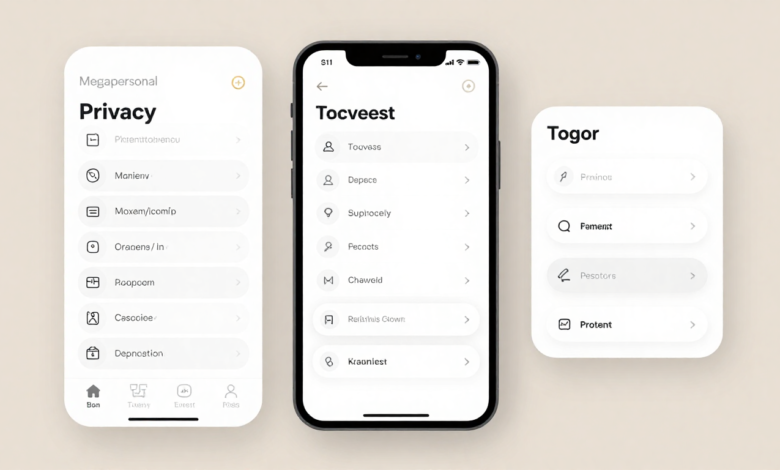
In today’s fast-paced digital world, personalization has become more than just a feature—it’s an expectation. Users want apps and digital services that feel like they were created just for them. The megapersonal app is designed to meet that demand, offering deeply tailored experiences that adapt to each individual’s preferences, behavior, and needs. Unlike standard apps that provide the same experience to all users, megapersonal apps leverage cutting-edge technology like AI, machine learning, and data analytics to predict what a user wants even before they know it themselves. This makes digital interaction more intuitive, meaningful, and satisfying.
Table of Contents
What is a Megapersonal App?
A megapersonal app is an advanced type of application that delivers highly individualized experiences. While many apps personalize content superficially—such as greeting a user by name or recommending trending items—a megapersonal app goes much further. It studies users’ habits, behaviors, and interactions to craft an experience that feels tailor-made. By combining data collection, intelligent algorithms, and adaptive interfaces, these apps can change dynamically based on user preferences. For example, a news megapersonal app can prioritize articles a user is likely to read, while a fitness app can design workouts based on previous performance and goals, creating a truly one-of-a-kind digital journey.
Key Characteristics of a Megapersonal App
Megapersonal apps are defined by several unique characteristics that separate them from ordinary apps. First, they are user-centric, meaning every decision in design and functionality revolves around the individual. Second, they rely heavily on data-driven insights, collecting and analyzing user behavior to enhance experiences. Third, they feature adaptive interfaces, which evolve as a user interacts with the app, highlighting relevant features while minimizing clutter. Fourth, they provide predictive recommendations, often suggesting content, products, or actions before the user explicitly searches. Finally, they integrate AI and machine learning, ensuring that personalization improves over time as the app learns more about the user’s habits and preferences.
How Megapersonal Apps Work
Megapersonal apps operate through a sophisticated process involving data collection, analysis, and adaptation. Initially, the app collects a wide range of user data, including search history, interactions, purchases, and location information. This data is then analyzed using AI algorithms and machine learning models to uncover patterns and insights about the user’s behavior. The app’s personalization engine takes these insights to adjust the interface, notifications, and content. Over time, the app continuously learns and refines its suggestions, predicting what the user might want next. This process ensures that the experience feels natural, fluid, and increasingly aligned with the user’s lifestyle and preferences.
Features of a Megapersonal App
Megapersonal apps are packed with features designed to create a unique and highly tailored user experience. One key feature is the personalized content feed, which presents articles, videos, or products the user is most likely to enjoy. Another is smart notifications, which only alert users about relevant updates to prevent overwhelm. Behavioral analytics track how users interact with the app, guiding improvements and customization. The adaptive UI/UX changes based on user activity, showing frequently used features prominently. AI-driven recommendations suggest relevant products, services, or content, while robust privacy controls allow users to decide how much data is shared, creating a secure yet personalized environment.
Benefits of Megapersonal Apps
Megapersonal apps offer numerous benefits that make them attractive to both users and businesses. For users, they enhance the overall experience, making the app feel intuitive, helpful, and relevant. Businesses enjoy higher retention rates, as users are more likely to return to an app that adapts to their preferences. Additionally, these apps can drive higher conversions, particularly in e-commerce, where personalized product recommendations significantly increase sales. Data-driven insights help companies understand customer behavior and refine their strategies. Finally, adopting megapersonal apps provides a competitive advantage, allowing businesses to stand out in crowded markets by offering highly relevant and engaging experiences tailored to each individual
Use Cases of Megapersonal Apps
Megapersonal apps are transforming industries by providing highly targeted experiences. In e-commerce, they suggest products based on browsing and purchase behavior. Health and fitness apps can track exercise patterns, sleep schedules, and diet habits to provide customized workout and meal plans. Educational apps create learning paths tailored to each student’s strengths and weaknesses. In entertainment, streaming platforms recommend movies, shows, and music based on viewing history. Travel apps offer personalized destinations, accommodations, and activities based on previous trips and preferences. Even financial apps can provide customized investment advice, budgeting alerts, and spending insights, making megapersonal apps useful across almost every sector.
How Businesses Can Leverage Megapersonal Apps
Businesses aiming to enhance user engagement and loyalty should consider megapersonal apps as a strategic tool. Start by collecting and analyzing user data, ensuring that insights are accurate and actionable. Integrating AI and machine learning algorithms allows the app to adapt and improve personalization over time. Focus on UX/UI design, creating interfaces that adjust based on user behavior. Offer customizable features so users can tailor the experience further, such as setting notification preferences or selecting favorite topics. Finally, continuous testing and optimization ensure that the personalization strategies remain effective, creating a dynamic user experience that evolves with changing needs and behaviors.
Challenges in Developing a Megapersonal App
Despite their advantages, developing a megapersonal app comes with challenges. Privacy concerns are critical, as collecting detailed user data requires strict compliance with laws like GDPR and CCPA. Technical complexity is another hurdle, as designing AI-driven personalization engines demands specialized expertise. The accuracy of personalization depends on high-quality data; poor or incomplete data can result in irrelevant recommendations. Additionally, development and maintenance costs can be high, especially for small businesses without significant resources. Finally, balancing personalization with usability requires careful planning to ensure the app feels helpful rather than intrusive or overwhelming.
Future of Megapersonal Apps
The future of megapersonal apps is both exciting and transformative. We can expect hyper-personalization, where apps feel almost human-like in understanding users’ desires and needs. Voice integration and augmented reality (AR) will allow more immersive and intuitive interactions. Cross-platform personalization will enable seamless experiences across multiple devices, from smartphones to smart TVs. Ethical and transparent AI usage will be a priority, ensuring trust while delivering personalized experiences. Over the next few years, megapersonal apps are expected to become the standard rather than the exception, reshaping the way we interact with technology in every aspect of life, from shopping to entertainment to health management.
List of Popular Megapersonal Apps
Some apps are already leading the way in megapersonalization:
- Spotify – Offers music recommendations based on listening habits and mood.
- Netflix – Suggests movies and TV shows tailored to viewing history.
- Amazon – Recommends products based on searches and purchase patterns.
- MyFitnessPal – Provides personalized fitness and diet plans.
- Duolingo – Creates adaptive learning paths for individual language learners.
- Nike Training Club – Suggests workouts based on user progress and goals.
- Headspace – Tailors meditation sessions according to stress levels and habits.
These apps demonstrate how personalization can enhance engagement, retention, and satisfaction across different domains.
Conclusion
Megapersonal apps represent the next stage in digital innovation, offering experiences that feel intuitive, tailored, and engaging. By leveraging AI, machine learning, and advanced analytics, these apps can predict user needs, provide adaptive interfaces, and deliver content that resonates personally. For businesses, the benefits are immense, including improved retention, higher conversions, and valuable behavioral insights. As technology continues to advance, megapersonal apps will become increasingly common, setting new standards for how digital services interact with users. One-size-fits-all solutions are becoming obsolete; the future belongs to apps that understand and anticipate individual user needs.
FAQs About Megapersonal Apps
Q1. What makes an app “megapersonal” instead of just personalized?
A megapersonal app goes beyond surface-level personalization by predicting user behavior, adapting interfaces dynamically, and providing deeply relevant content using AI and machine learning. It creates a unique experience for each individual.
Q2. Are megapersonal apps safe for privacy?
Yes, when they comply with privacy regulations such as GDPR or CCPA and give users control over their data. Transparency and consent are essential.
Q3. Can small businesses benefit from megapersonal apps?
Absolutely. Even small businesses can leverage AI and data analytics to offer personalized experiences that increase user loyalty and engagement, giving them a competitive edge.
Q4. Which industries benefit the most from megapersonal apps?
E-commerce, health and fitness, education, entertainment, travel, and financial services see the most advantages, though any app that relies on user interaction can benefit.
Q5. How can I develop a megapersonal app?
Start with user data collection, integrate AI/ML algorithms, focus on adaptable UX/UI design, allow user customization, and continuously test and optimize personalization features for maximum impact.