Have you ever looked out your window, seen the sky turning a dark shade of grey, and wondered if you’d actually make it to your destination on time? We have all been there. Whether it is a sudden burst of snow or a heavy rainstorm, the British weather is famous for its surprises. Dealing with a uk weather warning travel disruption can be stressful, especially when you have a busy schedule. However, understanding how these warnings work and how they affect your journey can save you a lot of time and trouble.
In this guide, we are going to talk about what to do when the Met Office issues an alert. We will look at how high winds, ice, and rain change the way we move around our beautiful country. From checking your car tires to understanding train cancellations, we have got you covered. My goal is to help you stay “weather aware” so you can make the best choices for you and your family. Let’s dive into the details of navigating a uk weather warning travel disruption like a pro.
Table of Contents
Understanding the Different Warning Levels
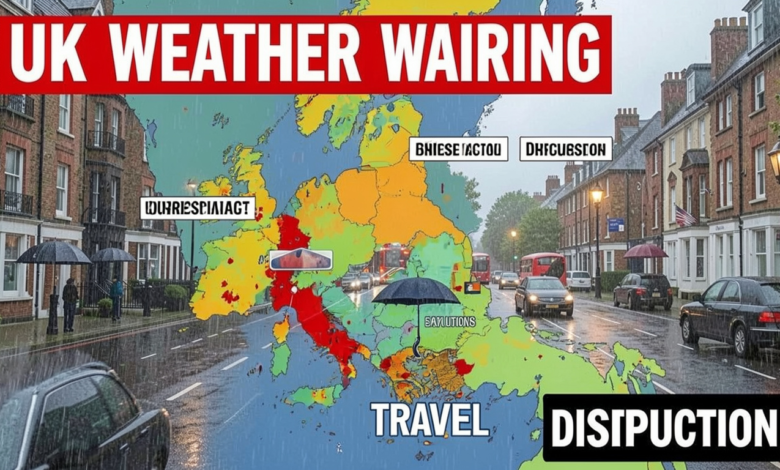
When you hear about a uk weather warning travel disruption, the first thing to check is the color of the alert. The Met Office uses a simple traffic light system: Yellow, Amber, and Red. A Yellow warning means you should “be aware” because some minor delays are likely. You might need to add ten minutes to your commute, but most things will stay normal. It’s the kind of weather that’s a bit annoying but usually manageable for most people.
An Amber warning is more serious and means you should “be prepared.” This is when a uk weather warning travel disruption becomes very likely. You might see road closures or trains being cancelled. Finally, a Red warning is a “take action” signal. This means there is a danger to life and you should probably avoid traveling altogether. Knowing these colors helps you decide if that trip to the shops can wait until tomorrow or if you need to leave much earlier than planned.
How Heavy Rain Impacts Your Commute
Rain is a part of life in the UK, but heavy downpours are a different story. When a uk weather warning travel disruption is caused by rain, the biggest danger on the road is “aquaplaning.” This happens when a layer of water builds up between your tires and the road, making you lose control. It feels like you are sliding on ice, and it can be quite scary! To stay safe, you should always slow down and leave plenty of space between you and the car in front.
Flooding is another major issue. Even a small amount of water can ruin a car engine if you try to drive through it. If you see a flooded road, the best advice is to turn around. It is better to take a long detour than to get stuck in the middle of a giant puddle! Rail travel also suffers because tracks can get flooded or blocked by debris. During a uk weather warning travel disruption, always check your local news to see if your usual route is still open.
Navigating Strong Winds and Storms
Strong winds, like those we saw recently with Storm Dave, can cause a massive uk weather warning travel disruption. High winds are particularly dangerous for “high-sided” vehicles like lorries or caravans. If you are driving a small car, you might feel the wind pushing you sideways, especially on bridges or open stretches of road. It is very important to keep a firm grip on your steering wheel and stay focused on the road ahead.
Winds also bring down tree branches and power lines. This often leads to blocked roads and train tracks being shut down for safety. When a uk weather warning travel disruption involves wind, National Rail might even put a “speed restriction” on trains. This means they go slower to make sure they can stop safely if something is on the tracks. If you are planning to travel by train during a storm, expect your journey to take much longer than usual.
Essential Travel Safety Table
| Weather Type | Potential Impact | Recommended Action |
| Heavy Rain | Flooded roads, aquaplaning | Slow down, avoid deep water |
| High Winds | Fallen trees, bridge closures | Grip steering wheel firmly, check lorries |
| Snow & Ice | Slippery roads, stuck vehicles | Use higher gears, pack an emergency kit |
| Thick Fog | Very low visibility | Use fog lights, don’t tail other cars |
| Amber Warning | Serious travel delays | Prepare for closures, check schedules |
Preparing Your Vehicle for Bad Weather
Before you head out into a uk weather warning travel disruption, your car needs to be ready. I always tell my friends to check their “FLOWER”—that stands for Fuel, Lights, Oil, Water, Electrics, and Rubber (tires). Make sure your wipers are working perfectly because you don’t want them to fail in a thunderstorm! Also, check that your tires have enough tread to grip the road properly when it is wet or icy.
It is also a great idea to keep an “emergency kit” in your boot. This should include a warm blanket, some snacks, a bottle of water, and a phone charger. If you do get caught in a uk weather warning travel disruption and find yourself stuck on a motorway, having these items will make a huge difference. Being prepared doesn’t take much time, but it provides a lot of peace of mind when the weather turns nasty.
Rail Travel: What You Need to Know
Trains are a great way to get around, but they are very sensitive to the environment. During a uk weather warning travel disruption, overhead power lines can be damaged by wind, or tracks can warp in extreme heat. Most train companies will offer updates on their websites or mobile apps. If your train is cancelled because of the weather, you are often entitled to a refund or can use your ticket on a later service.
I once spent three hours waiting at a station because of a fallen tree! From that experience, I learned to always check the “Live Departures” board before leaving the house. If there is a major uk weather warning travel disruption, some companies might even advise you “not to travel.” It sounds extreme, but they say it to keep everyone safe. Always listen to these warnings so you don’t end up stranded at a cold station far from home.
Air Travel and Flight Cancellations
Airports are usually the last things to close, but they aren’t immune to a uk weather warning travel disruption. High winds can make taking off and landing dangerous for planes. Sometimes, even if the weather at your airport is fine, the weather at your destination might be bad. This can cause a “knock-on” effect where flights are delayed all across the country.
If you are flying during a uk weather warning travel disruption, stay in close contact with your airline. Most airlines will send you a text or email if there is a change to your flight. It is also worth checking if your travel insurance covers weather-related delays. A little bit of research before you head to the airport can prevent a lot of frustration at the check-in desk.
Walking and Cycling Safely
We often focus on cars and trains, but pedestrians and cyclists are also affected by a uk weather warning travel disruption. If you are walking, be careful near the coast where large waves can wash over sea walls. High winds can also blow you off balance, especially if you are crossing a bridge. Always wear bright or reflective clothing so that drivers can see you clearly through the rain or fog.
For cyclists, wet roads are incredibly slippery. Manhole covers and white lines on the road become like ice when they are wet! If a uk weather warning travel disruption is in place, you might want to consider taking the bus or a train instead. If you must cycle, give yourself twice as much time to brake and be extra careful at junctions. Your safety is much more important than reaching your destination quickly.
Checking Real-Time Updates
The best way to handle a uk weather warning travel disruption is to stay informed. There are so many great tools available now. The Met Office app is fantastic for live radar maps, and websites like National Rail Enquiries give minute-by-minute updates on trains. I also find that local radio stations are great for hearing about specific road closures in your neighborhood.
Social media is another helpful tool. Many transport companies post quick updates on “X” (formerly Twitter) about a uk weather warning travel disruption. Just be sure to follow official accounts so you get the most accurate information. Checking these updates every hour or so while you are traveling can help you spot trouble before you get stuck in it. Knowledge is your best tool for staying safe!
Helping Others During Severe Weather
When a uk weather warning travel disruption hits, it is a great time to look out for your neighbors. Older people or those with mobility issues might find it hard to get to the shops if the weather is bad. If you are heading out and it is safe to do so, why not ask if they need anything? A simple loaf of bread or a pint of milk can mean the world to someone who is stuck inside.
We are all in this together when the weather gets wild. If you see someone struggling with a broken umbrella or looking lost at a bus stop, a little bit of kindness goes a long way. Dealing with a uk weather warning travel disruption is much easier when we help each other out. Plus, it makes our communities stronger and friendlier, even when the rain is pouring down!
Staying Calm and Patient
Finally, the most important thing to remember during a uk weather warning travel disruption is to stay calm. Delays are frustrating, but they happen to keep us safe. Getting angry at a bus driver or a station worker won’t make the storm go away! Instead, take a deep breath, find a comfortable place to wait, and maybe catch up on a good book or a podcast.
If you know you are going to be late, call the people waiting for you and let them know. Most people will understand because they are probably seeing the same weather out of their own windows! By staying patient and following the advice in this guide, you can navigate any uk weather warning travel disruption with a smile on your face. Remember, the sun will eventually come out again!
Frequently Asked Questions
1. Where can I find the latest UK weather warnings?
You should always check the official Met Office website or their mobile app. They provide the most accurate and up-to-date information for every region in the UK.
2. Can I get a refund if my train is cancelled due to weather?
Yes, in most cases! If a uk weather warning travel disruption causes your train to be cancelled, you can usually apply for a full refund or use your ticket on the next available train.
3. Is it safe to drive during an Amber weather warning?
You can drive, but you must be very careful. An Amber warning means a uk weather warning travel disruption is likely. Only travel if it is necessary and make sure your car is prepared.
4. What should I do if my car starts to aquaplane?
Don’t panic! Take your foot off the accelerator and do not hit the brakes. Hold the steering wheel straight until you feel the tires grip the road again.
5. Do weather warnings affect my car insurance?
Generally, no, but you must still drive legally. If you ignore a “road closed” sign during a uk weather warning travel disruption, your insurer might refuse a claim if you have an accident.
6. How long do weather warnings usually last?
It depends on the storm! Some warnings only last a few hours, while others can stay in place for several days. Always check the “valid from” and “to” times on the alert.
Conclusion: Be Prepared, Stay Safe
In conclusion, a uk weather warning travel disruption doesn’t have to ruin your day if you are prepared. By understanding the warning colors, checking your vehicle, and staying updated with real-time info, you can travel with confidence. The British weather is unpredictable, but your response doesn’t have to be. Stay safe, look out for one another, and always give yourself plenty of extra time when the clouds gather.
Do you have a “weather story” or a tip for staying safe on the road? We would love to hear from you! Leave a comment below and share your experiences with our community. Let’s help each other stay “weather aware” and keep the UK moving safely!