UK Braced for Significant Snowstorm Bringing Potential White Christmas: What to Expect, Forecast Insights, and Travel Impact

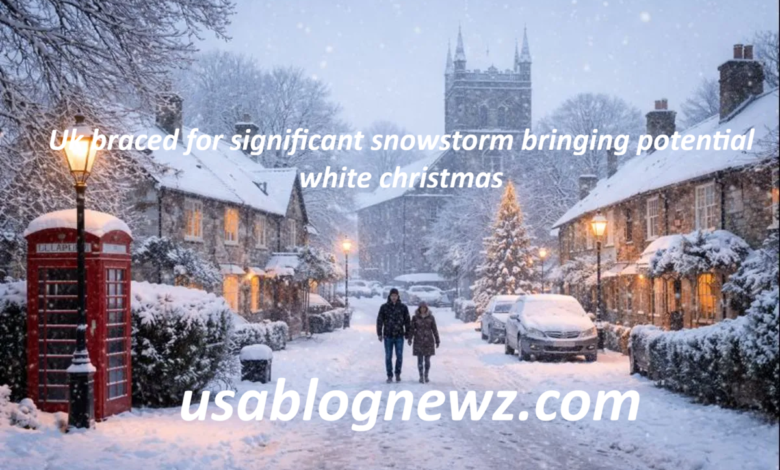
As winter tightens its grip, the UK Braced for Significant Snowstorm Bringing Potential White Christmas that could dramatically change conditions across the country during the festive period. Cold Arctic air pushing south, combined with unsettled weather systems, has raised the prospect of snowfall, icy temperatures, and travel disruption. For many, the idea of a White Christmas is exciting, while for others it brings concerns about safety, travel delays, and daily life. This detailed guide explains what’s happening, what to expect, and how to prepare, all in clear and practical terms.
Why the UK Is Facing a Major Snow Risk
The developing snowstorm is being driven by a shift in atmospheric patterns that allows cold Arctic air to flow directly into the UK. This air mass is significantly colder than average for late December and early January. When it meets moisture from weather systems moving in from the Atlantic, the conditions become ideal for snow formation, particularly in northern and elevated regions.
Unlike brief cold snaps, this setup has the potential to last several days. That means temperatures may stay low enough for snow to settle, especially overnight, increasing the risk of icy surfaces and frozen ground. The persistence of cold air is a key reason meteorologists are closely monitoring the situation.
Areas Most Likely to See Snowfall
Snow is not expected to fall evenly across the UK. Northern regions, including Scotland and parts of Northern Ireland, are most likely to experience frequent and heavier snowfall. Higher ground, such as hills and mountainous areas, is particularly vulnerable due to colder temperatures and stronger winds.
Wales and northern England may also see periods of snow, especially during overnight hours when temperatures drop further. Southern England is more likely to experience frost, sleet, or light snow showers rather than prolonged snowfall, though brief wintry conditions are still possible during the coldest phases of the storm.
Will There Be a White Christmas This Year?
The idea of a White Christmas captures public attention every winter, but the official definition is surprisingly modest. A UK Braced for Significant Snowstorm Bringing Potential White Christmas occurs if even a single snowflake is observed falling anywhere in the UK Braced for Significant Snowstorm Bringing Potential White Christmas on Christmas Day. By that standard, the chances are reasonable.
However, widespread snow lying on the ground across much of the country is less likely. Current forecasts suggest that while conditions will be cold and frosty, significant snowfall on UK Braced for Significant Snowstorm Bringing Potential White Christmas Day itself may be limited to specific regions such as Scotland or high-altitude areas. Even so, the festive atmosphere will certainly feel wintry in many places.
Temperature Outlook: How Cold Will It Get?
Temperatures during this period are expected to fall well below the seasonal average. Daytime highs in many regions may struggle to rise above freezing, while overnight lows could drop several degrees below zero. Rural areas, where heat escapes more quickly, may feel the cold most intensely.
Clear skies during the night can lead to sharp temperature drops, increasing the likelihood of frost and ice. These freezing conditions are not just uncomfortable; they also heighten the risk of frozen pipes, icy roads, and health problems for vulnerable individuals.
Impact on Road Travel
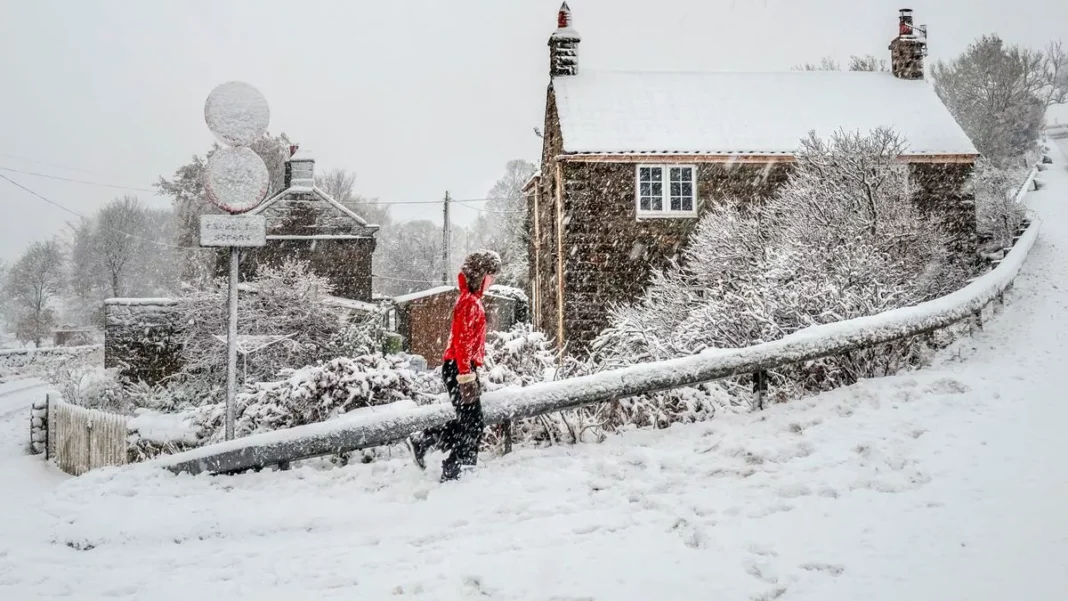
Road UK Braced for Significant Snowstorm Bringing Potential White Christmas conditions are likely to be challenging during the snowstorm. Snowfall, combined with freezing temperatures, can quickly turn untreated roads slippery. Black ice is a particular hazard, as it is often invisible to drivers until it is too late.
Motorists are advised to plan journeys carefully, allow extra time, and avoid unnecessary travel during severe conditions. Winter-ready vehicles, including properly inflated tyres and sufficient fuel, can make a significant difference in staying safe if delays occur.
Disruption to Rail and Public Transport
Rail services are especially sensitive to snow and ice. Points can freeze, overhead lines can be affected, and reduced speeds are often enforced for safety reasons. As a result, delays and cancellations are likely, particularly on routes serving northern and rural areas.
Bus services may also face disruptions due to unsafe road conditions. Commuters and holiday travelers should be prepared for last-minute changes and consider flexible travel plans during the coldest days of the forecast.
Air Travel Challenges During Snowstorms
Airports are not immune to winter weather. Heavy snow or ice can lead to runway closures, de-icing delays, and flight cancellations. Even when conditions improve locally, knock-on effects from other affected airports can disrupt schedules nationwide.
Passengers traveling during this period should monitor their flight status closely and allow extra time at airports. Packing essentials in carry-on luggage is also a smart precaution in case of unexpected delays.
Health Risks Linked to Extreme Cold
Cold weather poses serious health risks, especially for older adults, young children, and those with existing medical conditions. Prolonged exposure to low temperatures can increase the risk of hypothermia, while icy conditions raise the chance of slips and falls.
Maintaining adequate indoor heating, wearing layered clothing, and checking in on vulnerable neighbours are all important steps during this cold spell. Even short exposure to freezing conditions can be dangerous without proper protection.
Effects on Schools and Local Services
Severe winter weather often forces schools to close, particularly in areas where travel becomes unsafe. Local councils may also face challenges in keeping roads clear and maintaining public services during prolonged snow and ice.
While gritting and snow-clearing efforts are usually prioritised on major routes, minor roads and pavements may remain hazardous for longer. Residents should stay informed about local announcements and be prepared for temporary disruptions.
How to Prepare for the Snowstorm
Preparation can significantly reduce the impact of winter weather. Stocking up on essentials, checking heating systems, and insulating exposed pipes can prevent problems at home. Keeping torches, batteries, and warm blankets readily available is also advisable.
For those who must travel, carrying emergency supplies such as food, water, and a charged mobile phone can provide peace of mind. Staying informed through official weather updates ensures you can respond quickly if conditions worsen.
What Happens After the Snow?
Even after snowfall eases, the effects can linger. Freezing temperatures can preserve icy conditions for days, especially where snow has compacted on roads and pavements. Gradual thawing may also lead to localised flooding if temperatures rise quickly.
Understanding that winter weather impacts do not end when the snow stops falling is crucial for planning ahead. Caution should remain a priority until temperatures consistently rise above freezing.
Final Thoughts on the Winter Ahead
The UK Braced for Significant Snowstorm Bringing Potential White Christmas reflects both excitement and concern across the country. While a picture-perfect UK Braced for Significant Snowstorm Bringing Potential White Christmas scene is not guaranteed for everyone, the combination of cold air and unsettled weather means winter will certainly make its presence felt.
By staying informed, planning carefully, and taking sensible precautions, residents and travelers can navigate this period safely. Whether the snow brings festive joy or practical challenges, being prepared ensures that the season remains memorable for the right reasons.