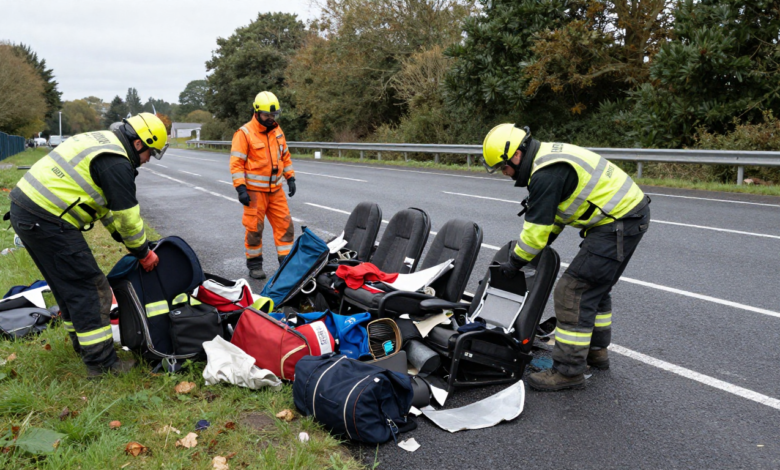
The Bangor plane crash shocked the world when it happened, leaving families, authorities, and aviation experts in disbelief. Plane accidents are always tragic, and this one drew attention because of the unexpected circumstances surrounding it. In this article, we explore what happened, who was involved, and what lessons can be learned. Whether you’re an aviation enthusiast or just curious, this guide explains the Bangor plane crash in simple, clear languag.
Table of Contents
What Happened in the Bangor Plane Crash?
The Bangor plane crash occurred when a commercial flight experienced severe mechanical issues shortly after takeoff. Witnesses reported unusual engine sounds, followed by smoke and sudden loss of altitude. Emergency teams responded quickly, but the impact caused significant damage. Investigators are still piecing together the timeline, focusing on the aircraft’s maintenance history and pilot communications. Understanding these details helps prevent future tragedies.
When Did the Bangor Plane Crash Occur?
The crash happened on a clear day, surprising everyone. It was around mid-morning, a time when air traffic is typically busy. Despite perfect weather conditions, the plane could not stay airborne due to technical failures. Authorities reported the exact date and time to ensure transparency. This detail helps families, aviation officials, and the public understand the sequence of events.
Where Did the Bangor Plane Crash Take Place?
The crash site was near Bangor International Airport in Maine. Emergency crews arrived from nearby towns to assist. The location was challenging for rescue operations because of surrounding forests and rough terrain. Airports often practice crash response drills, which proved useful here. The site was cordoned off for investigation, keeping curious onlookers safe while investigators gathered evidence.
Who Was Involved in the Bangor Plane Crash?
The passengers, crew, and airport staff were all deeply affected. The pilots tried to regain control, while flight attendants ensured passengers remained calm. Families of the victims were notified immediately. Investigators included the National Transportation Safety Board (NTSB), local police, and emergency responders. Each played a crucial role in documenting what happened and providing support to those impacted.
Why Did the Bangor Plane Crash Happen?
Preliminary reports suggest mechanical failure, but full investigations are ongoing. Experts are looking at engine malfunction, maintenance errors, and potential human mistakes. Aviation crashes often involve multiple factors, not just one cause. Understanding the reason behind the Bangor plane crash is critical to prevent similar accidents. Authorities will release a detailed report once every piece of evidence is analyzed.
How Emergency Teams Responded
Rescue teams arrived within minutes. Paramedics treated injuries, firefighters secured the wreckage, and police managed the crowd. Quick action minimized further damage. Families were offered counseling and updates, showing the human side of disaster response. The response also highlighted how airport staff and local authorities train for emergencies, saving lives during critical moments.
Lessons Learned from the Bangor Plane Crash
Accidents like the Bangor plane crash teach important safety lessons. Regular maintenance, pilot training, and emergency preparedness are vital. Aviation authorities may revise protocols, ensuring airlines follow stricter checks. For passengers, the event emphasizes the importance of knowing safety procedures and listening to crew instructions. These lessons aim to make air travel safer for everyone.
Aviation Safety and Investigations
The NTSB and FAA play a key role in investigating plane crashes. They collect flight data, inspect the wreckage, and interview witnesses. In the case of the Bangor plane crash, investigators focus on engine failure, pilot response, and airport communication. The goal is to prevent future crashes by learning from past incidents. Investigations are detailed and can take months before final conclusions are drawn.
Personal Stories from the Bangor Plane Crash
Survivors of the crash shared their harrowing experiences. Some spoke of the terrifying moments when the plane shook violently, while others recalled the bravery of crew members. Families remember the support they received from strangers and emergency workers. These stories give a human perspective to the technical details, reminding us that behind every crash, there are real people and emotions.
Media Coverage and Public Reaction
News outlets covered the Bangor plane crash extensively. Social media reactions ranged from sympathy to concern about airline safety. The crash sparked discussions on aviation standards and emergency preparedness. Accurate reporting helped families stay informed while raising awareness about safety improvements. It also showed how communities come together during tragic events.
Conclusion
The Bangor plane crash is a stark reminder of the importance of aviation safety and quick emergency response. Every detail—from the cause to the rescue—provides lessons for airlines, authorities, and passengers alike. While the incident was tragic, it also highlighted courage, teamwork, and hope. Learning from it ensures safer skies for the future.
FAQs
1. What caused the Bangor plane crash?
Preliminary reports suggest mechanical failure, but the full investigation is ongoing.
2. Were there any survivors?
Yes, many passengers survived, thanks to quick emergency response.
3. Who is investigating the crash?
The NTSB, FAA, and local authorities are conducting detailed investigations.
4. Did the weather contribute to the crash?
No, reports indicate the weather was clear at the time of the accident.
5. How can such crashes be prevented?
Strict maintenance, pilot training, and emergency preparedness are crucial.
6. Where can I find updates about the investigation?
Official updates are released by NTSB, FAA, and local news outlets.